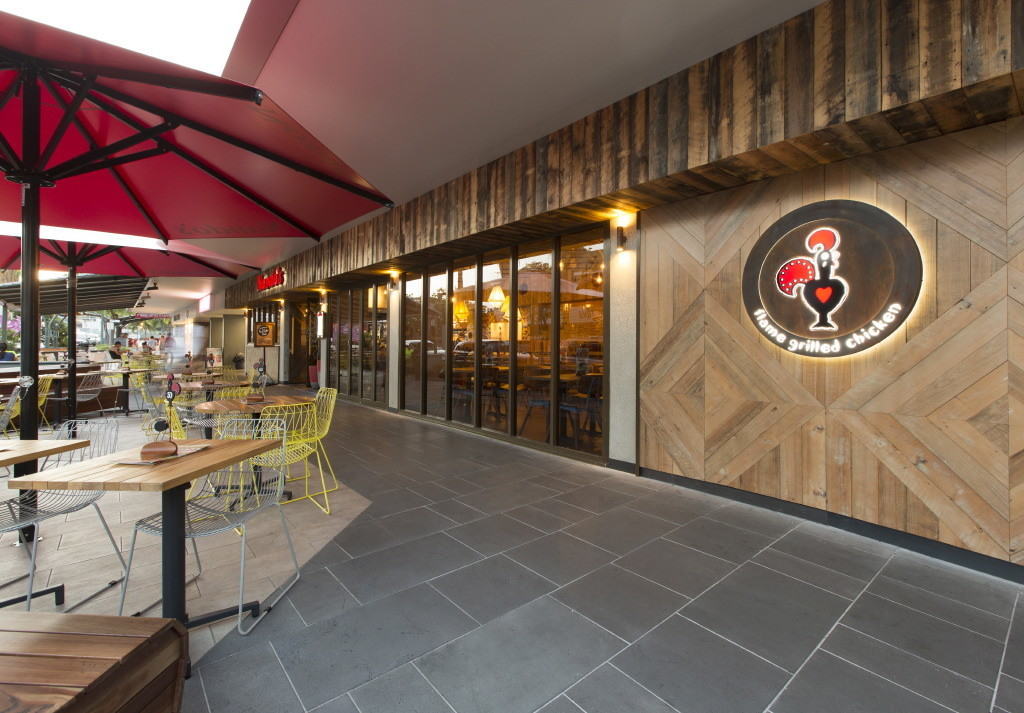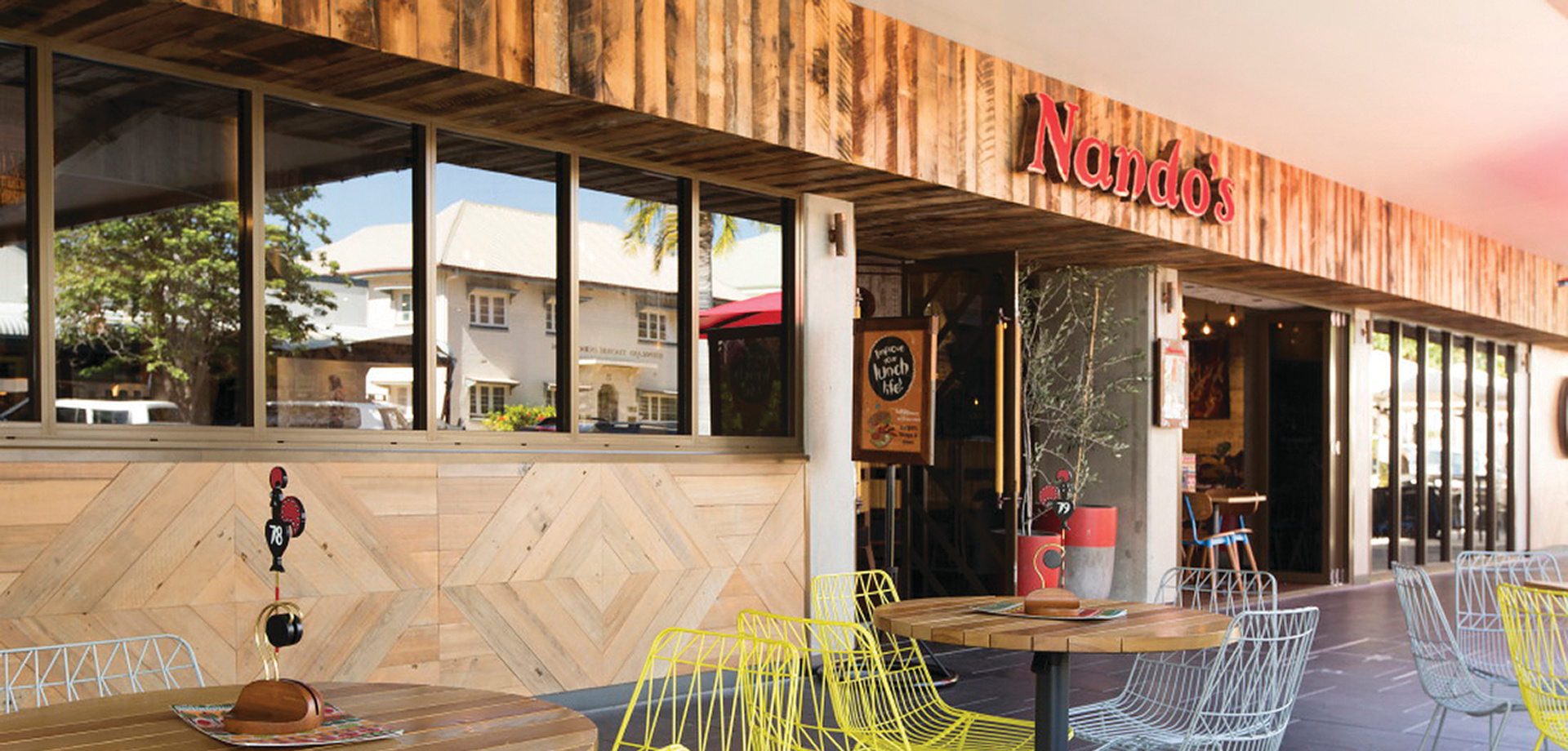
Hoop Pine is an indigenous timber to Queensland.
Much of the early Queenslander style houses were constructed with hoop pine from the roof timbers to internal wall and floor lining as well as joinery items such as doors, windows, kitchens and furniture. It was a prized species by the early Queensland saw millers for its easy milling, consistent grain and flexible uses.
Nowadays Hoop Pine is available as either recycled or as a plantation grown species. The plantations in parts of south east and north Queensland were developed by the Queensland government to replace the logging of the native hoop pine.
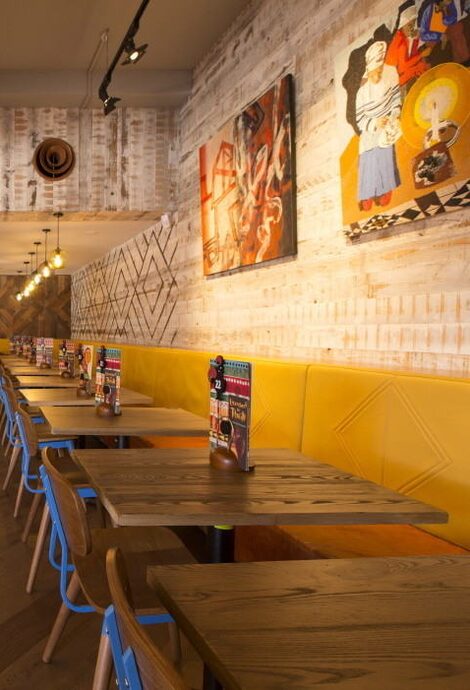
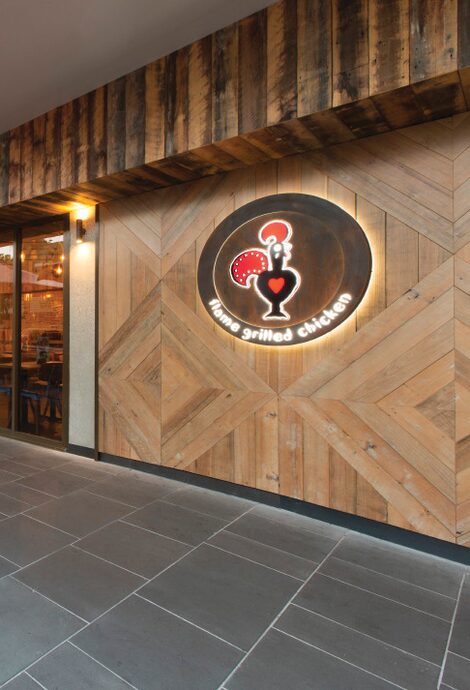
The timber ranges from pale cream to light yellow brown with little difference between heartwood and sapwood, though the heartwood is a little darker. It is a very fine and evenly textured wood with a straight grain.
It is generally used for internal fitouts, joinery, flooring, lining and furniture. It is a very popular species in plywood because of its consistent pale cream colourings.
Hoop pine machines and turns well, but is not suitable for steam bending. It can be polished, painted and stained with ease, and works well with fittings and fastenings.
Look & features
Very fine and even textured wood with a straight grain
Botanical name
Araucaria cunninghamii
Colour
Pale cream to light yellow brown
Common uses
A wide range of internal applications including cladding, flooring and bespoke joinery
Properties
| Density (kg/m3) | |
|---|---|
| GD | 680 |
| ADD | 550 |
| Hardness kN (janka) | |
|---|---|
| Green | 3.0 |
| Dry | 3.4 |
| Strength Group | S6/SD5 |
| Joint Group | J4/JD4 |
| Shrinkage | |
|---|---|
| Radial % (approx.) | 2-3 |
| Tangential % (approx.) | 3.8 |
| Structural Grades | |
|---|---|
| Unseasoned | F4/F5/F7/F8 |
| Seasoned | F7/F8/F11/F14/F17 |
| Early Fire Hazard Indices | |
|---|---|
| Ignitability | 14 |
| Spread of Flame | 7 |
| Smoke Development | 2 |
| Termite Resistant (to AS3660) | NR |
| Lyctid Susceptible Sapwood | Like all soft woods, Hoop Pine is not susceptible to lyctid borer. |